
Shower Leak Repair in Melbourne: Expert Guide to Fixing Leaky Showers
Why Leaking Showers Are a Serious Issue
Water leaks in bathrooms are one of the most common building defects in Australia, causing significant damage if left unaddressed. In fact, water leaks account for up to 80–90% of defects in many Australian apartments and commercial buildings, costing owners and insurers around $3 billion annually. Victoria is no exception – a recent review by the Victorian Building Authority found that 9 in 10 building insurance claims involved at least one water-related defect. For homeowners and property managers in Melbourne, a leaking shower isn’t just a minor annoyance; it can lead to serious structural damage, mould growth, and costly repairs if ignored.
Beyond the structural risks, unchecked moisture can create health hazards (like toxic mould) and even legal issues. Under Victoria’s rental laws, problems such as mould or damp caused by the building structure are classified as urgent repairs, requiring prompt attention by landlords. In other words, fixing a shower leak quickly isn’t just good practice – it’s often a legal obligation in rental properties. Addressing leaks early also prevents escalation: what starts as a minor shower grout leak or failed seal today could lead to rot in timber framing or ceiling collapses tomorrow. The takeaway is clear: don’t ignore a leaky shower. The next sections will help you understand how to detect leaks, why they happen, and the best ways to repair them in line with Melbourne’s standards.
Common Causes and Signs of Shower Leaks

Recent shower in a bathroom renovation completed by Capstone Tiling in Glen Iris
Leaking showers can develop for several reasons, and identifying the root cause is the first step to an effective repair. Here are some common causes of shower leaks and how to spot them:
Failed Waterproofing Membrane: In most modern bathrooms, a hidden waterproof membrane under the tiles protects the structure. If this membrane is damaged or improperly installed, water can seep through. Unfortunately, membrane failures often aren’t visible on the surface – instead, you’ll notice symptoms like water stains on adjacent walls or ceilings, persistent dampness or mould in drywall, or even a musty smell near the bathroom. In multi-story homes, a telltale sign is brown watermarks on the ceiling below the bathroom or peeling/bubbling paint on walls adjacent to the shower.
Cracked or Missing Grout and Sealant: The grout between tiles and the silicone sealant along joints (e.g. where the shower floor meets walls) are your shower’s first line of defense against water ingress. Over time, standard cement-based grout can crack or become porous, and silicone can degrade or peel away. Even small gaps in grout or caulk allow water to penetrate behind tiles. Signs of this include cracked, loose, or discolored tiles, missing grout chunks, or black mildew stains along grout lines. If you see deteriorating silicone around the shower tray or screen, or tiles lifting off the wall, these are red flags that water is getting where it shouldn’t.
Plumbing Issues: Sometimes the leak isn’t due to the tiles or membrane at all, but rather a leaky pipe or fixture behind the wall. A loose connection in the shower mixer or a cracked pipe can release water into wall cavities every time you shower. These leaks can be harder to diagnose. Clues include hearing water dripping inside walls or wet patches on walls far from the wet area. If you’ve ruled out surface issues, a licensed plumber may need to perform a pressure test or inspection to pinpoint hidden plumbing leaks.
Poor Drainage or Door Seals: If water pools on the shower floor due to poor slope, it can overflow the enclosure. Likewise, a faulty shower screen door seal can leak water onto the bathroom floor, mimicking a “leak.” Check for puddles outside the shower after use – it might be just a door seal replacement issue. However, persistent puddles can also indicate a failing membrane or clogged drain. Ensure the shower drain itself isn’t backing up, and that the shower screen and floor are directing water properly into the drain.
Detecting a shower leak early can save thousands in damage. Pay attention to musty odors, damp drywall, peeling paint, or mold spots around your bathroom. If your water bill spikes inexplicably, that’s another hint of a hidden leak. By being vigilant about these warning signs, Melbourne homeowners and property managers can catch leaks before they wreak havoc on the property.
Melbourne’s Building Codes and Waterproofing Standards
Australia has strict requirements for waterproofing wet areas, and these have recently been updated to address the leakage crisis. If your bathroom is older, it may not meet the latest standards, making leaks more likely. Here are key points about the National Construction Code (NCC 2022) and the associated Australian Standard AS 3740:2021 – Waterproofing of domestic wet areas, which are highly relevant to shower leak repairs:
Shower Wall Waterproofing: The current code mandates that all shower wall areas be fully waterproofed to a significant height. Specifically, the entire “water-resistant wall lining” in a shower must be waterproofed up to at least 1800 mm above the floor (or 50 mm above the shower head rose, whichever is higher). Older bathrooms might only have waterproofing to a lower height (for example, just around the base). This upgrade in NCC 2022 aims to ensure water can’t escape through porous wall materials. If you’re renovating or repairing a leaky shower, an expert will ensure the new work complies with this requirement – particularly important in Melbourne where many Victorian-era and mid-century homes have been retrofitted over time.
Shower Floor and Drainage: Proper fall (slope) in the shower floor is essential so that water flows to the drain instead of ponding and seeping into subfloors. The NCC specifies a minimum fall of 1:80 and maximum 1:50 for shower floors toward the waste outlet. This essentially means for every 80 units of horizontal run, the floor should drop 1 unit towards the drain (up to 1:50 for steeper pitch). If your leak is due to water pooling (perhaps from an almost flat shower base), the repair may involve regrading the floor or installing better drainage. Updated standards also require that the waterproofing membrane itself (beneath the tiles) be graded toward the drain as well, not just the tile surface. This dual requirement is to prevent water from stagnating on top of the membrane layer.
Materials and Workmanship: Australian standards like AS 3740 detail how membranes should be applied (e.g. minimum overlap at joints, curing times, compatible substrates, etc.). Only licensed waterproofing professionals should undertake shower repairs that involve membrane work – this ensures compliance with the Building Code of Australia (BCA) and that you receive a certificate of compliance for the waterproofing. In Victoria, any significant waterproofing job typically requires a compliance certificate from a registered contractor, which becomes important for insurance and future resale. Choosing qualified experts like Capstone Tiling means your repair will meet or exceed the national waterproofing standards, giving you confidence that the fix will last.
Balcony and Other Wet Areas: It’s worth noting that similar standards apply to balconies, another common source of leaks in Melbourne apartments and townhouses. In fact, insufficient waterproofing has been found in over 71% of defective balconies assessed by Cladding Safety Victoria. Balcony leaks often manifest as water dripping into rooms below or cracks in exterior walls. The good news is the technologies and techniques for shower leak repairs can also be applied to leaking balconies (more on this below). Both scenarios require adherence to code – e.g. balconies need flashing and upturns similar to bathroom floor edges, and often must handle more harsh weather exposure.
Staying informed about these standards is part of an EEAT (Expertise, Authoritativeness, Trustworthiness) approach to maintaining your property. Whether you’re a homeowner ensuring your bathroom upgrade is up to code, or a property manager keeping rentals compliant with safety standards, knowledge of the NCC and AS 3740 requirements helps you demand the right quality of work. Always verify that any contractor fixing a leak will use materials and methods that comply with Australian standards – this protects you in the long run, as compliant repairs are less likely to fail and are backed by warranties.
Shower Leak Repair Methods: From Resealing to Renovation

Travencore bathroom renovation completed by Capstone Tiling
When it comes to repairing a leaky shower, Melbourne property owners have a spectrum of options. The best approach depends on the severity and source of the leak, your budget, and how much disruption you can tolerate. Below we outline the main shower repair methods, from quick fixes to comprehensive rebuilds, along with their pros and cons:
Shower Resealing and Surface Repairs: If the leak is traced to failing grout or seals (and the underlying waterproofing is mostly intact), a resealing procedure may suffice. This typically involves removing all the old grout between tiles and scraping out any degraded silicone caulk. Technicians then re-grout the tiles (often using high-performance epoxy grout for superior water resistance) and apply fresh sanitary-grade silicone at corners and edges. Epoxy grouts are non-porous and highly resistant to water and stains, making them ideal for moisture-prone areas like showers. Once the new grout and seals cure, the shower is effectively “re-sealed” against water entry at the surface. Resealing is relatively quick (often done in a day or two) and far cheaper than a full renovation. However, it’s crucial to use quality materials – simply slapping new silicone over old moldy edges is a band-aid fix. Professional resealing, such as Capstone Tiling’s process, includes deep cleaning, removing all failed materials, and meticulously replacing them to restore the shower’s waterproof barrier. This approach addresses leaks caused by minor deterioration, and if combined with a clear waterproofing topcoat (discussed next), can extend the life of your shower for years without needing to retile.
Clear Waterproofing Membrane Over Tiles: A newer innovative solution for leaky showers is applying a transparent waterproof membrane directly over the existing tiles. This method, offered by specialized companies, creates a second waterproof layer on the surface without removing tiles. Capstone Tiling’s LeakSafe™ is a prime example: it’s a patented, flexible clear membrane that is brushed or rolled onto the tiled shower walls and floor after regrouting. Once cured, it seals all the tile joints and micro-cracks, forming a completely watertight yet virtually invisible layer. The LeakSafe membrane is also slip-resistant (it won’t make your floor slippery) and is designed to adapt to structural movement so that as the building settles or shifts slightly, the membrane remains intact. This is important in Melbourne’s mixed climate (from hot dry summers to cool damp winters) which can cause materials to expand and contract. By choosing a solution like this, homeowners can avoid the noise, mess, and expense of demolishing the old shower. No tiles need to be removed – the process is typically completed within 2–3 days and the shower is ready to use immediately after curing. Industry-wide, the concept of over-tile clear membranes has proven effective for both showers and balconies. It’s a method also recommended for situations where you want a guaranteed fix with minimal downtime. Always ensure the product used is industry-grade; Capstone’s LeakSafe, for instance, adheres to Australian waterproofing standards and comes with a 3-year warranty against leaks for peace of mind.
Comparison of a tiled surface before (right side) and after (left side) applying a clear waterproofing membrane. The transparent LeakSafe™ coating seals the grout and tile surface, giving a slight sheen that is easy to clean while protecting against leaks.
Partial Tile Replacement and Waterproofing Patches: In some cases, the leak may be localized – say, a specific corner of the shower where the membrane was punctured (for example, during installation of a new tap or fixture) or an area of tiles that came loose. A targeted repair could involve removing a section of tiles, fixing the substrate and waterproofing in that spot, then retiling just that area. This approach can work for small-scale issues, but it carries risk: tying new waterproofing into old waterproofing is tricky and must be done to specification (overlapping membranes, proper sealants at the seams, etc.). It’s imperative such fixes are done by experienced professionals; otherwise, you might not fully solve the problem and could end up chasing leaks around. Often, contractors will use epoxy or specialty sealers to bond the new and old waterproofing layers. If a tile or two is cracked and that’s the source, replacing those tiles and re-grouting could stop the leak. However, if the water damage beneath is extensive, a piecemeal approach might not hold for long. Always weigh the short-term savings of a patch repair against the potential need to redo the work later. A reputable contractor will inform you if your shower is a candidate for spot repair or if it’s more cost-effective in the long run to opt for a larger overhaul.
Full Shower Renovation (Retile and Rewaterproof): This is the “ultimate” solution for persistent or severe leaks, especially if the shower is old or has multiple points of failure. A full renovation means stripping out all tiles, removing the old waterproofing and substrate down to the wall studs and floorboards, then rebuilding the shower from scratch. The area will be re-sheeted (with appropriate villa board or substrate), a new waterproofing membrane applied to all required areas (floors, walls, junctions, niches, etc.), and then re-tiled and grouted. While this is the most disruptive and expensive option, it resets the clock on your bathroom’s lifespan – a properly done new waterproofing installation can last 15+ years or more. You also have the opportunity to redesign or update the look of your bathroom. In cases of extreme water damage (e.g. rot in structural timbers or subfloor, termite issues exacerbated by dampness), a full renovation is often the only way to ensure the integrity of the building. Capstone Tiling provides complete bathroom renovations as one of their services, which include demolition, waterproofing to code, tiling, and finishing. If your budget allows and the shower is in very bad shape, this route guarantees that every aspect of the waterproofing system is brand new and compliant with the latest standards.
Each method above has its place – the key is to accurately diagnose the leak’s cause and choose a repair strategy that addresses it thoroughly. Often, specialist leak repair companies will do a water test or use devices like moisture meters to determine if leaks stem from surface issues or beneath the tiles. For Melbourne homeowners, starting with a professional inspection can save time and money. You might find that a simple re-seal will solve your problem, or you may discover deeper issues requiring more work. Either way, understanding these options enables you to have an informed discussion with your contractor and select the right solution for your situation.
Capstone Tiling’s LeakSafe™ Solution and Services

Caulfield shower and bathroom renovation
When dealing with shower leaks in Melbourne, Capstone Tiling (VIC) stands out as an expert service provider that covers the full range of solutions – from advanced leak sealing to full renovations. Capstone’s team has built a strong reputation for quality workmanship and compliance with Australian standards. Here we highlight how Capstone Tiling can help fix your leaking shower or balcony:
LeakSafe™ Clear Membrane Technology: Capstone Tiling’s signature offering for leaky showers is its LeakSafe™ Shower system, which exemplifies the modern approach to shower resealing. As described earlier, LeakSafe is a transparent, flexible membrane applied over your existing tiles after rejuvenating the grout and seals. The process involves a thorough cleaning, then removal and replacement of all old grout and silicone, followed by application of the proprietary LeakSafe liquid membrane that cures to form a durable clear skin. The beauty of LeakSafe is that it requires no demolition – your bathroom’s appearance remains the same (aside from fresher-looking grout), and the membrane is virtually invisible. Because it’s engineered to bond to tiles and adapt to building movement, you get a long-term fix without the usual upheaval of a renovation. Capstone backs this with a 3-year leak-free warranty, reflecting confidence in the system’s reliability. Many Melbourne clients, from individual homeowners to property managers of apartment complexes, have used LeakSafe to resolve chronic shower leaks quickly. For instance, in one case study, 15 apartments with leaking showers were sealed with LeakSafe in just two weeks, with each shower taking only two days and tenants able to resume use immediately thereafter. This illustrates how Capstone’s expertise can solve large-scale leak issues efficiently, an important consideration for property managers looking to minimize downtime for tenants.
Balcony Leak Repairs: Melbourne’s mix of modern high-rises and older brick walk-ups means leaking balconies are another widespread problem related to waterproofing. Capstone Tiling applies the same level of skill and innovation to balconies as it does to bathrooms. Their LeakSafe™ Balcony service uses a similar clear membrane technology, adapted for exterior conditions, to seal balconies without removing the tiles. The process includes re-grouting and sealing all expansion joints, then coating the area with the UV-stable LeakSafe membrane that can flex with temperature changes. This is a major advantage since balconies endure rain, sun, and thermal movement – the flexible membrane prevents future leaks while preserving the balcony’s appearance. As with showers, Capstone offers options for tile repairs (fixing cracked or drummy tiles on the balcony surface) and full balcony renovations if needed, which would involve installing new waterproofing from scratch. Given that poorly waterproofed balconies have caused ceilings to collapse in some Melbourne buildings, it’s crucial to treat even minor balcony leaks with urgency. Capstone’s ability to do non-invasive balcony repairs means landlords and body corporates can address issues before they become catastrophes, all while avoiding scaffolding and major building works. The LeakSafe membrane comes with the same 3-year warranty on balconies, providing peace of mind that the outdoor areas are protected against water ingress.
Shower Regrouting and Tile Restoration: Not every bathroom needs high-tech membranes – sometimes, the basics are enough. Capstone’s technicians are also experts in tile repair & restoration and shower re-grouting. If you have cracked or chipped tiles contributing to leaks, they can replace those tiles or repair them (where feasible) and secure the substrate beneath. Their grouting service uses durable products (cementitious or epoxy grout depending on the situation) to strengthen water resistance and freshen up the look of your shower. Re-grouting alone can extend a bathroom’s life by addressing the voids and gaps where water sneaks in. Capstone even handles related tasks like silicone replacement (for corners and around fixtures) since silicone tends to break down every 5-10 years in wet areas. By entrusting these maintenance repairs to professionals, you ensure that the correct grout type is used (for instance, epoxy grout in a frequently wet floor, which is “completely waterproof”) compared to standard grout and that all debris or mold is properly cleaned out before new materials are applied. The result is a resealed shower that looks revitalized and is safe to use. Many customers take advantage of this service when preparing a property for new tenants or when minor leaks are spotted early.
Comprehensive Bathroom Renovations: If your leaking shower is part of a larger problem – perhaps an outdated bathroom with multiple issues – Capstone Tiling also offers full bathroom renovation services. Their team can manage the entire project, from demolition of the old bathroom, structural repairs (if needed), installation of new waterproofing that meets NCC 2022 standards, retiling with your choice of design, and final fittings. While a renovation is the costliest route, Capstone’s project management ensures it’s done correctly and with high-quality workmanship, so you won’t be chasing recurring leaks or defects. They coordinate with licensed plumbers and licensed electricians as required, and make sure the new bathroom passes all required inspections. The outcome is a brand-new, stylish bathroom that is fully compliant and leak-free by design. Homeowners often choose this route if the bathroom is very old (e.g. original 1970s tiles and membrane) or if water damage from the leak has already ruined cabinetry, flooring in adjacent rooms, etc. By doing a complete overhaul, you get to upgrade the aesthetics and functionality (perhaps adding that niche or modern shower screen you’ve wanted) while definitively solving the leak issue.
Customer Assurance and Compliance: A critical aspect of Capstone Tiling’s service is the emphasis on quality and trust. They use licensed tradespeople, follow manufacturers’ guidelines for all products, and ensure that any waterproofing work is certified. The LeakSafe™ system, for example, is not just a quick fix – it’s backed by engineering and adheres to industry standards. Capstone provides a 3-year warranty on LeakSafe jobs and stands by their work with a satisfaction guarantee. This level of commitment is important for both homeowners and property managers: you want to be confident that once the repair is done, you won’t have the same issue reappear next winter. Moreover, Capstone’s team can advise you on maintaining your shower or balcony post-repair, such as which cleaning products are safe (some harsh chemicals can degrade grout or membranes) and how to periodically inspect seals. This guidance is part of their holistic approach to customer care. By choosing a reputable, local Melbourne company that prioritizes authoritative knowledge and trustworthy service, you’re not only fixing the immediate leak but also investing in the longevity of your property.
In summary, Capstone Tiling offers end-to-end solutions for shower and balcony leaks – from the least invasive fixes to complete rebuilds. Their LeakSafe™ clear membrane technology is a standout solution that has helped many Melburnians enjoy a leak-free bathroom within days, not weeks. And for issues that do require more extensive work, Capstone’s experience ensures the job is done right the first time. This integrated service portfolio makes them a go-to specialist for shower leak repair in Melbourne, equipped to handle any challenge while delivering top-notch results.
Preventive Tips to Avoid Future Leaks
Once you have repaired a leaking shower, the last thing you want is a repeat problem. While some factors (like building movement or aging materials) are out of your control, there are smart steps homeowners and property managers can take to prevent future shower leaks or at least catch them early:
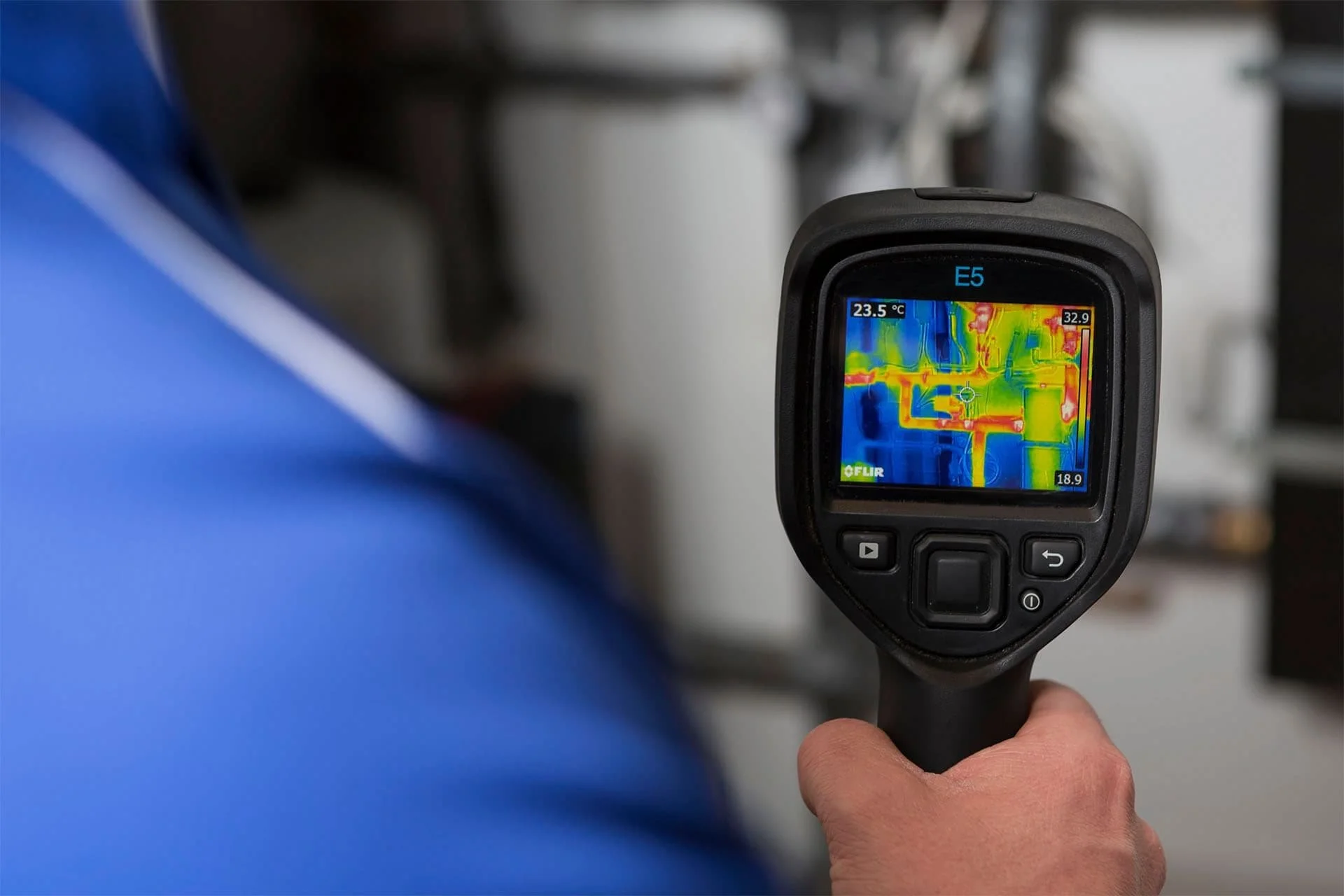
Thermal detection for leak identification
Regularly Inspect and Maintain Grout & Seals: Make it a habit every few months to check the grout lines and silicone joints in your shower. Look for any cracks, crumbling sections, or gaps where sealant has pulled away. Also watch for early signs of mildew, which can indicate water seeping in. Keeping grout and seals in good condition is key – consider re-sealing grout with a penetrating sealer annually (if it’s cement grout) to enhance its water resistance. If you notice small holes or hairline cracks in grout, address them promptly by patching or re-grouting that area. Similarly, replace any sections of silicone that are peeling or discolored. These minor touch-ups can prolong the life of your waterproofing by not giving water an entry point.
Use Quality Materials and Upgrades: When doing any bathroom upkeep or minor renovations, opt for better materials that can prevent leaks. For example, if regrouting, use epoxy grout which is waterproof and doesn’t need sealing. If replacing fixtures like a shower faucet or soap holder, be sure to properly seal around the penetrations – use plumber’s sealant or silicone behind escutcheons and in screw holes to keep them watertight. Choose flexible sealants that accommodate movement (especially between floor and wall joints). If you upgrade the shower screen, ensure it’s installed with correct flashing or deflectors so water doesn’t escape around it. These little choices can make a big difference in leak prevention over time.
Ventilate the Bathroom: Mold and dampness can degrade grout and silicone faster, so controlling humidity helps. Melbourne can have humid days, so use your exhaust fan or open a window when showering to vent steam. Keep the bathroom well-ventilated and consider a dehumidifier if moisture tends to linger. Drier conditions mean any water that does sneak behind tiles has a chance to evaporate rather than stay and cause damage (though ideally no water should get behind the tiles at all). Proper ventilation also prevents condensation from settling into walls and causing damp-related issues.
Avoid Harsh Cleaning Practices: Be careful with how you clean your shower. Avoid using overly harsh chemicals or abrasive tools on grout and seals – these can erode or scratch the waterproofing layers. High-pressure water cleaners are also not recommended inside showers, as they can force water into crevices. Instead, use a squeegee to wipe down excess water after showering (this simple habit keeps water from sitting on grout), and use pH-neutral cleaners that won’t damage the silicone or tile glaze. Gentle maintenance will keep the waterproof surfaces intact longer. If you notice any loose tiles while cleaning, stop and investigate – a hollow-sounding tile could indicate the adhesive has failed, which might precede a leak.
Periodic Professional Check-ups: Just like servicing a car, it can be wise to have a professional check your bathroom waterproofing every few years. They might spot early signs of weakness that a layperson misses. For rental properties in Melbourne, new regulations put more onus on regular inspections – for instance, property managers are encouraged to closely inspect bathrooms and even balconies for any leak signs during routine condition reports. Taking a proactive approach by perhaps engaging a waterproofing specialist for a quick inspection can catch failing seals or minor drips early. Some companies, like Capstone or others, may offer a preventive maintenance service or at least a free assessment, which is worth considering if your bathroom is reaching a decade or more in age.
By following these preventive measures, you can significantly extend the leak-free life of your shower. Remember that even the best waterproofing has a finite lifespan – for example, many membranes last about 10–15 years before natural deterioration. But with good care, you can push that upper limit and avoid premature failures. Prevention and maintenance are far easier and cheaper than dealing with a major leak and the subsequent repairs. Stay vigilant, address issues when they’re small, and your bathroom will remain a safe, dry sanctuary.
Frequently Asked Questions (FAQs) about Leaking Showers
Q: How can I tell if my shower is leaking (what are the signs)?
A: Some warning signs of a leaking shower include peeling or bubbling paint on walls or ceilings adjacent to the bathroom, water stains (often brownish) on the ceiling below a second-floor bathroom, persistent musty odors, or spotting mould and damp patches in corners or closet walls backing onto the bathroom. You might also see cracked or loose tiles, missing grout, or soft/swollen skirting boards near the shower. In extreme cases, you might notice water pooling outside the shower or dripping sounds within walls. If any of these signs appear, it’s wise to have a professional investigate promptly.
Q: Can a leaking shower be fixed without removing tiles?
A: Yes, absolutely – many shower leaks can be repaired without ripping up tiles. Modern methods like Capstone Tiling’s LeakSafe™ clear membrane allow experts to seal the shower in-place, by regrouting and applying a waterproof coating over the existing surface. This approach is non-invasive and often completed within 2–3 days, avoiding the cost and mess of a full renovation. It’s effective when the leak is due to minor cracks in grout or other surface failures. However, if a leak is due to serious underlying damage (like a completely deteriorated membrane or structural issue), then tile removal might be necessary to properly fix the problem. A professional leak assessment will determine the right approach, but many homeowners are pleasantly surprised that their shower can be saved “as-is” using advanced resealing techniques.
Q: Who is responsible for repairing a leaking shower in a rental property?
A: In Victoria, the rental provider (landlord) is responsible for fixing leaks and any repairs needed due to normal wear and tear. A leaking shower, especially one causing mould or damage, would typically be considered an urgent repair under the law – meaning the landlord must address it immediately or within 24-48 hours. Tenants should report the issue in writing as soon as it’s noticed. If the landlord fails to act, tenants can take further steps such as contacting Consumer Affairs Victoria or applying to VCAT to compel repairs. Property managers also play a role in facilitating these repairs. It’s worth noting that if the leak was caused by tenant damage (for example, drilling into tiles improperly), the tenant may bear some cost, but generally building-related leaks are the owner’s duty to fix. Capstone Tiling often works with property managers for a fast turnaround, which helps ensure compliance with rental laws and keeps tenants safe and satisfied.
Q: How much does it cost to repair a leaking shower in Melbourne?
A: The cost can vary widely depending on the method and severity of the leak. Shower resealing or LeakSafe™ applications (no tile removal) are on the lower end – typically a fraction of the cost of a full renovation, since they involve less labor and materials. This could range from a few hundred to a couple thousand dollars, depending on shower size and how much preparatory work (e.g. tile repairs, extent of regrouting) is needed. On the other hand, a full shower rebuild with new waterproofing and tiling could cost several thousand dollars (akin to a bathroom renovation budget). Reputable companies like Capstone will provide a fixed-price quote after inspection, so you know exactly what to expect. It’s also wise to consider the warranty and longevity – spending a bit more on a quality permanent repair is often more cost-effective than a cheap patch that might fail in a year. Additionally, factor in potential water damage repair costs: if a leak has caused damage to other parts of the home (carpets, plaster, cabinetry), those might need fixing too. Obtaining a professional assessment will give you a clearer idea of costs for your specific situation.
Q: How long does a shower leak repair take?
A: Most non-invasive leak repairs (like regrouting and applying a clear membrane) can be done very quickly – often within 1 to 3 days total. For example, Capstone’s LeakSafe™ leaky shower repair service is usually completed in about 3 days, but with only one day of that being loud work (grout removal), two days of application and the rest just curing time. During the curing, the bathroom might be off-limits, but the downtime is minimal. If only minor re-seal work is needed, sometimes you can use the shower the next day. Full renovations, in contrast, take longer – typically 1 to 2 weeks for a standard shower rebuild (to allow for demolition, waterproofing curing times, tiling, etc.). Balconies sealed with an overlay membrane also take a couple of days. Importantly, these timelines can depend on weather (for balconies) and scheduling. But overall, modern leak repair techniques prioritize speed; specialists know that homeowners appreciate getting their bathroom back in use as soon as possible. Always consult with your contractor on the expected schedule, and they’ll guide you on when it’s safe to use the shower again.
Q: Will insurance cover a leaking shower or the damage it caused?
A: It depends on your insurance policy and the cause of the leak. Many home insurance policies in Australia do cover damage from water leaks (for instance, if a sudden shower leak damages flooring or ceilings). However, there are often exclusions for gradual damage or leaks resulting from poor maintenance. If the leak was due to a construction defect or failed waterproofing from when the house was built (and it’s outside any builder warranty period), insurance may or may not pay for the repair of the leak itself, but could cover resultant damage (like repairing a collapsed ceiling). It’s critical to read your Product Disclosure Statement (PDS) or consult your insurer. For owners corporation (strata) properties, the building insurance might cover certain elements of bathroom leaks (especially if it affects common property or other units). In any case, acting quickly is important – insurers can deny claims if they believe you didn’t take prompt action to mitigate damage. This is another reason to fix leaks as soon as they’re detected. Keep documentation of repairs and costs; if covered, you may be able to claim expenses. Capstone Tiling can assist by providing detailed reports and invoices of the leak repair, which can be useful for insurance claims.
Protect Your Home – Get Professional Shower Leak Repair
A leaking shower or balcony can go from a small drip to a major nightmare faster than you think. Don’t let water damage compromise your Melbourne property’s value, safety, or your peace of mind. Capstone Tiling is here to help with expert, code-compliant solutions tailored to your needs – whether it’s a quick reseal of your shower, a shower leak repair with LeakSafe™ membrane application, or a complete bathroom overhaul. Our team brings experience and trustworthiness to every project, ensuring that your leak is fixed for good and backed by solid warranties.
Contact Capstone Tiling today to discuss your shower leak or waterproofing concerns. We offer free assessments and detailed quotes, so you’ll know exactly what’s involved in restoring your bathroom or balcony. With Capstone’s cutting-edge techniques, most leaks are resolved in just a few days, saving you time, money, and unnecessary stress. Call 1300 742 007, email us on info@capstonetiling.com.au or visit our website to book your consultation. Don’t wait until that small leak becomes a costly disaster – let our Melbourne shower repair experts safeguard your home. Enjoy a dry, healthy bathroom and the confidence that comes with a job done right. Your home deserves nothing less than the best in leak repair, and Capstone Tiling is ready to deliver. Get in touch now, and say goodbye to leaking showers for good!